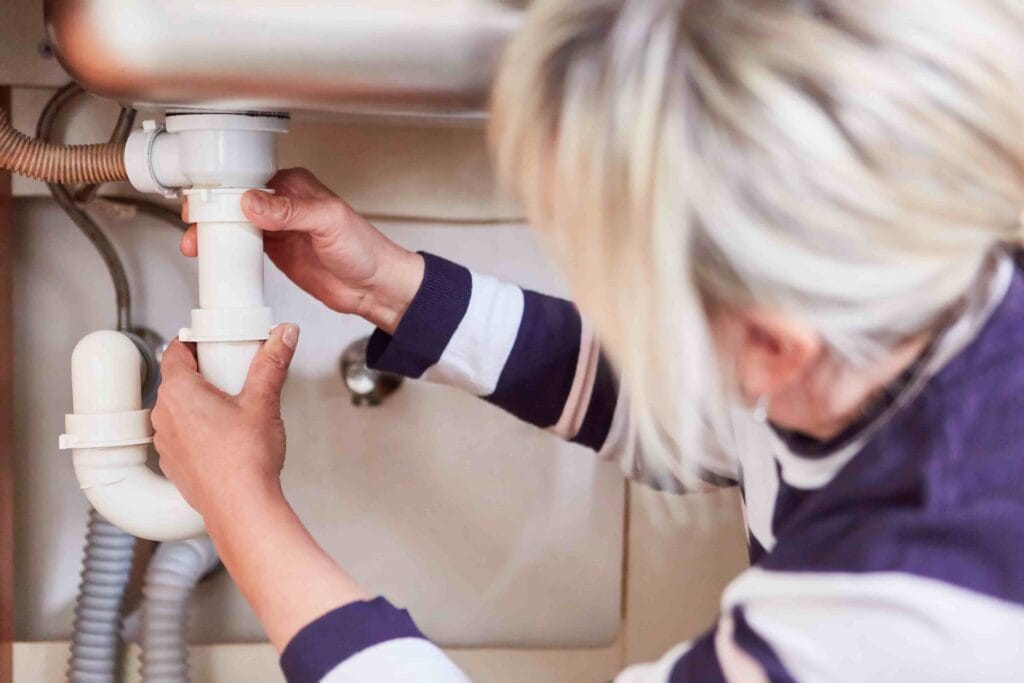
Who hasn't experienced this? The drain or siphon in the sink or washbasin is blocked. This means that the water cannot drain properly and it smells unpleasant. Conversely, a clean siphon ensures smooth drainage - in the truest sense of the word. After all, bad odours and blockages can only be permanently prevented if the drain pipe is clear. A high-quality trap and its regular cleaning are therefore part of essential bathroom and kitchen hygiene. In this article, you will find out what you need to look out for, how best to clean your siphons in the home and how to prevent blockages - from simple household remedies to dismantling the drain pipe.
Discover our first-class product range, because sanitary technology from Armatron guarantees comfort, hygiene and function - in everyday private life as well as in professional and public areas.
Why is it important to clean the siphon?
The siphon, often referred to as an odour trap, is the curved piece of pipe directly underneath a washbasin, kitchen sink, shower or bathtub. Its characteristic shape is responsible for the fact that small amounts of water always remain in the pipe. This so-called sealing water prevents unpleasant odours from the sewage system from entering the washroom, kitchen, bathroom or other rooms. A trap is therefore an essential component of every sanitary installation - often invisible, but always indispensable. Over time, however, hair, skin particles, grease, soap or food residue, dirt and limescale can build up inside the trap. This can result in blockages, bad odours, gurgling noises or, in the worst case, a complete blockage. To prevent these problems, regular cleaning is essential. A careful and attentive approach not only saves money on expensive measures, but also ensures hygiene and extends the service life of the entire system. Click here for our Siphon range.
Step-by-step guide: How to clean your siphon properly
- Preparation: Place a bucket under the siphon to catch any leaking water and dirt. Have an old towel or cloth ready. If necessary, you can use rubber gloves.
- Dismantling: Loosen the siphon at both ends, preferably by hand for plastic models and with a pipe wrench for metal products. Carefully unscrew the union nuts by hand or with water pump pliers. A little more force may be required for older or very dirty traps. It is best to place a small cloth between the union nuts and the pliers so that the nuts are not damaged. Then remove the siphon.
- Cleaning: First remove any dirt such as hair, soap residue or grease deposits. If the siphon is very dirty, it is best to soak it in a bucket of hot water and washing-up liquid. Then pull an old cleaning cloth through the siphon to remove any residue. Then rinse thoroughly with warm water. For stubborn incrustations, vinegar, a washing-up brush or baking soda can also be used as environmentally friendly cleaning agents.
- Check seals: Check all seals for cracks or wear. This is because leaks are usually caused by brittle sealing rings - but these are very easy to replace. Clean intact parts with a soft brush under warm water and avoid aggressive agents.
- Assembly: Reinsert the siphon and tighten the nuts hand-tight. Open the tap slightly and test whether everything is tight. Readjust if necessary.
Remove light blockages mechanically
If the water is draining poorly or not at all, there is a tried and tested aid: the plunger or suction cup. This means that before you reach for pipe wrenches and the like, you may be able to find a quick and easy remedy. This is how it works: If available, close the overflow of the basin or sink. A wet flannel, for example, is suitable for this - this increases the negative pressure required to remove blockages. Then run some warm water with soap down the drain and then place the plunger on the drain so that it is completely covered. The rubber lip of the plunger must be in firm contact all round. Now move the plunger on the wooden handle up and down quickly (pumping movements). The vacuum in the drain loosens the deposits. Rinse with water. Only if this type of drain cleaning does not work does the siphon need to be dismantled and cleaned or replaced.
Avoid instead of fix: How to prevent a blocked siphon
The motto should always be: The best measures are those that don't become necessary. And this is relatively easy to realise, because with a few simple steps you can significantly reduce the build-up of deposits in the siphon and prevent blockages. You should pay attention to this:
- Never pour leftover food or oil down the drain - because grease settles in the pipes and becomes solid over time, leading to more and more deposits.
- Use strainers over the drains to prevent hair, coarse particles or other dirt from entering the drain and thus the siphon. It is best to use these little household helpers everywhere: in the kitchen, bathroom, laundry room, etc.
- Flush the drains regularly with hot water. This not only dissolves soap residue and grease and prevents deposits, but also contributes to hygiene, as germs and the like are flushed away.
- Occasionally use common household remedies such as vinegar, vinegar essence, citric acid or bicarbonate of soda to clean the drain and siphon effectively.
- For the sake of the environment, you should refrain from using chemical cleaners, as these agents are very aggressive and can attack seals, plastic parts and the entire system, causing long-term damage. If they are used, they should only be used sparingly.
If you follow these simple rules, you will save yourself costly interventions and maintain the full functionality of the wastewater technology. If you require further information, contact us via the form on our site.
Siphon systems from Armatron - clever, durable, high quality
Behind every Armatron product is the aspiration to perfectly harmonise functionality, quality and technology. Our siphon systems always meet the highest standards and are also particularly easy to maintain. First-class materials such as chrome-plated brass, as in this Siphon in 1 ¼, robust plastic like this one Model in white or with our high-quality Siphon made of highly polished V4A stainless steel ensure a long service life - even with daily use and heavy strain. All our models are manufactured to fit perfectly and are compatible with standard connection systems. We are happy to support you with expert advice and also offer customised solutions for special requirements, such as barrier-free installations or spatially demanding projects. Whether for new builds, renovations or replacements, whether for private homes or public buildings: with Armatron, you are choosing products that impress with their uncompromising quality and modern, well thought-out functions.